Blog · Operations
Getting devices back from a remote workforce, without the chase
When your team works from home, collecting old laptops becomes a real problem. Here is why devices go missing and how to bring them back reliably.
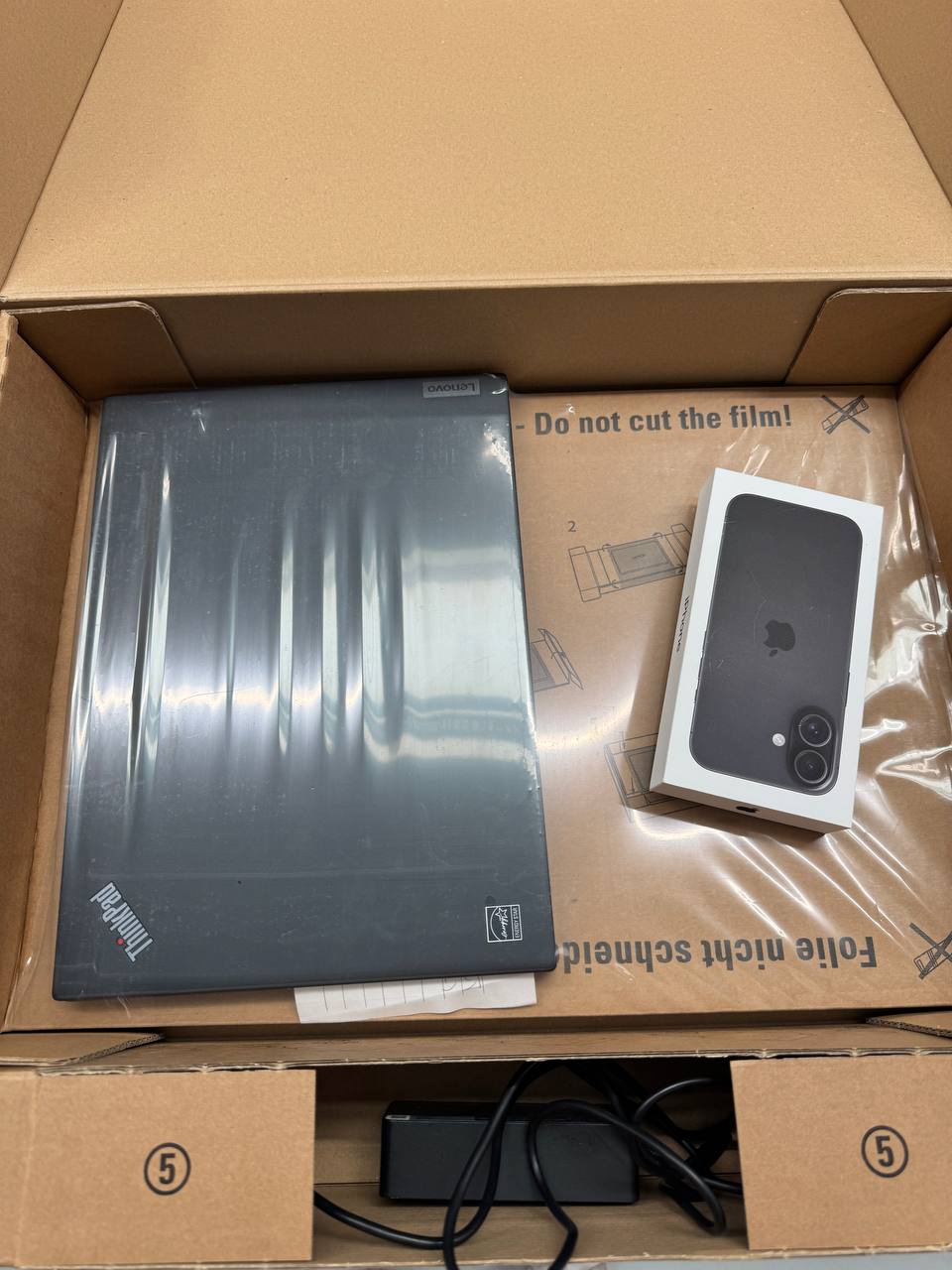
A few years ago, collecting an old laptop was easy. The person sat in the office, IT walked over, and the device went back on the shelf. Now your team is spread across homes, cities and sometimes countries. The laptop that needs to come back is on a kitchen table two hundred kilometres away, and getting it home has quietly become one of the hardest parts of the job.
This post looks at why remote device recovery is so tricky, what it costs when it fails, and how to fix it.
Why devices go missing
When someone leaves or upgrades, their old device is supposed to come back. Often it does not. The reasons are simple and human.
- It is a hassle for the employee. Finding a box, packing the laptop and getting to a shipping point is friction. Busy people put it off.
- Nobody owns the chase. IT is busy, HR assumes IT has it, and the device slips through the gap.
- There is no tracking. Once a laptop leaves someone’s house, no one can see where it is, so no one notices when it never arrives.
- Leavers lose interest. Once a person has moved on, returning old kit is the last thing on their mind.
Each missed device looks small. Across a year of leavers and refreshes, it adds up to a real pile of lost hardware and open risk.
What a missing device actually costs
An uncollected laptop is not just a missing asset. It is two problems at once.
The first is data. That device still holds company information, and while it sits in someone’s home it is outside your control. If it is lost, sold or thrown out, that data goes with it. Under the GDPR you are responsible for that data until it is properly erased, so a laptop you cannot account for is a risk you cannot close.
The second is value. A working laptop you never collect is money you cannot recover and a device you may end up buying again. As we covered in the hidden value in retired laptops, used hardware loses worth every month it is out of use.
A device you cannot collect is a device you cannot wipe, redeploy or resell. The whole recovery process is stuck at step one.
The fix: make returning easy and trackable
The pattern behind reliable recovery is simple. Remove the friction for the employee, and give yourself visibility. That is the idea behind our Box Programme.
Here is how it works in practice.
| Step | What happens | Who does the work |
|---|---|---|
| 1. Send a kit | A pre-paid return box arrives at the employee’s door | We do |
| 2. Pack and drop | They put the device in and drop it off | The employee, in minutes |
| 3. Track | You watch the device move from door to depot | Automatic |
| 4. Secure | The device arrives and goes straight into certified erasure | We do |
The employee’s part is as small as it can be: open the box, put the laptop in, hand it over. Everything else is handled and tracked. There is no printing, no hunting for packaging, and no guessing where a device has got to.
What good looks like
You can tell a recovery process is working by a few clear signals.
- A high return rate. Most devices actually come back, rather than vanishing into homes.
- Short return times. Devices come back in days, not months, so they keep their value.
- Full visibility. You can see the status of every device, not just hope it shows up.
- A clean handover to erasure. Returned devices go straight into data clearance, so the risk is closed fast.
When these are in place, offboarding stops being a chase and becomes a routine. The device leaves the employee’s hands, you see it the whole way, and it lands somewhere secure.
A short checklist for better recovery
If you want to tighten up device returns, start here.
- Make it one step for the employee. Pre-paid, pre-addressed, ready to use.
- Track every device from the doorstep, so nothing goes dark.
- Tie collection to offboarding, so the kit goes out the moment someone is leaving.
- Send returns straight to erasure, so data risk is closed quickly.
- Review the numbers, so you can see your real return rate and improve it.
The takeaway
Remote work did not remove the need to collect old devices. It just made the old way of doing it stop working. The answer is not more reminder emails. It is a process that is easy for the employee and visible to you, from the first knock on the door to the moment the data is wiped.
If you have devices scattered across home offices, request a quote and we will set up the kits and the tracking to bring them home.
Written by
Mike Schack Andersen
Co-founder & Operations, Scandic IT
Mike runs operations and finance at Scandic IT. He writes about the practical side of IT asset recovery: logistics, processing and getting devices back into use.