Blog · Value recovery
The hidden value in retired laptops, and how to get it back
Old company laptops are not junk. They hold real money and a large carbon cost you have already paid. Here is how to recover both instead of writing them off.
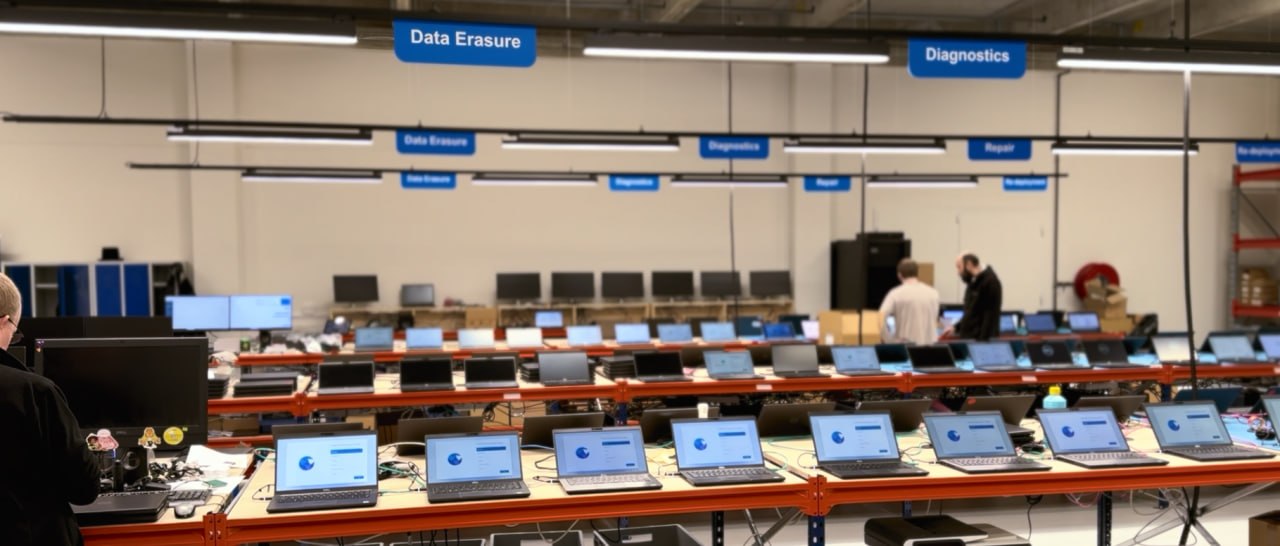
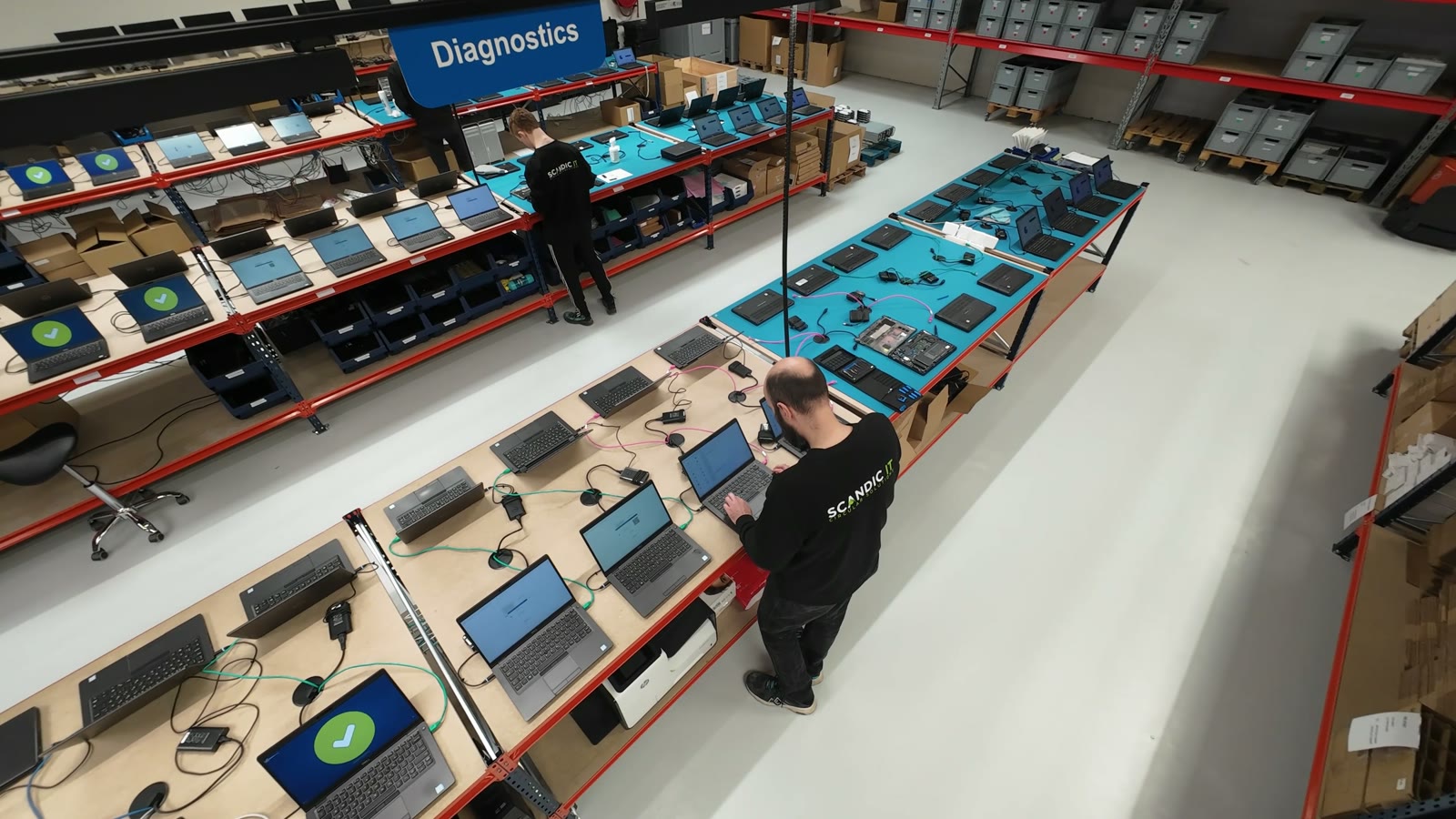
Walk into most companies and you will find a cupboard, a shelf or a whole room of old laptops. They have been replaced, but no one is quite sure what to do with them, so they sit there. Every one of those machines is worth something, and every month they sit idle, that something gets smaller.
This post is about the value hiding in retired devices, and how to get it back before it disappears.
A used laptop is still an asset
A three-year-old business laptop is not waste. It is a working machine that someone, somewhere, would happily use. That is why a healthy used device still has a clear resale value, and why putting it back into your own team can save the full price of a new one.
There is a second kind of value too, and it is easy to miss. A laptop carries a large carbon cost from the day it is made. Around 75 to 85 percent of a laptop’s lifetime emissions come from manufacturing, not from years of use. When you reuse a device instead of buying new, you avoid paying that cost all over again. For companies with climate targets, that is real and reportable.
The cheapest, greenest device is almost always the one you already own.
The two ways to recover value
When a device comes back to you in working order, you have two good options. They are not in competition; most fleets use both.
Redeployment: spend nothing, save the most
Redeployment means wiping the device and giving it to someone else in your organisation who needs a machine. This is the highest-value option by far, because it avoids a brand new purchase. If a new laptop costs you a few thousand kroner, a redeployed one that does the same job is money straight back in the budget.
The catch is visibility. You can only redeploy what you can see. That is why a simple, live view of your spare devices matters so much, and it is exactly what our inventory and redeployment service gives you.
Resale: turn surplus into cash
When you have more devices than you need, the surplus can be refurbished and resold. A clean, tested, good-looking device sells for far more than a tired one, so light repair and cosmetic work usually pay for themselves.
We resell through trusted channels, including direct to people on marketplaces like refurbed, and we back every device we sell with a two-year warranty. That warranty is not a small thing. It is what lets a buyer trust a used machine, which is what keeps the resale value high.
Where the value leaks away
Most lost value is not dramatic. It leaks out slowly, in ways that are easy to fix once you see them.
- Time on the shelf. Used hardware loses value every month. A laptop sitting in a cupboard for a year can lose a large slice of its worth for no reason.
- No data clearance. A device cannot be reused or resold until its data is safely erased. If that step never happens, the device is stuck.
- No record of what you have. If nobody knows the spare devices exist, they get bought new instead. The old ones are found years later, worth nothing.
- One-size disposal. Sending everything to recycling treats a good laptop the same as a broken one. The good ones deserve a better route.
A simple worked example
Say a company retires 100 laptops in a refresh. Here is the difference between writing them off and running them through a proper recovery process. The numbers are illustrative, but the shape is real.
| Approach | What happens to 100 laptops | Net result |
|---|---|---|
| Write off | Stored, then scrapped | No value, storage cost, possible data risk |
| Recycle only | Broken down for materials | Small scrap value, no reuse |
| Full recovery | 40 redeployed, 45 resold, 15 recycled | Avoided purchases plus resale income, full audit trail |
The full recovery row wins twice. The redeployed devices save you new-purchase spend, and the resold ones bring cash back in. The recycled remainder is handled responsibly, with proof.
How to capture the value
You do not need a complicated programme to get started. You need four things to happen in order.
- Collect the devices to one place, with a record of each one.
- Clear the data with certified erasure, so every device is free to move on.
- Sort by value, sending good devices to redeployment or resale and only the rest to recycling.
- Report the outcome, so you can see what came back and prove where everything went.
That is the whole game. The companies that do this well treat retired hardware as a small revenue stream and a climate win, not a chore.
The takeaway
The value in your old laptops is real, but it has a clock on it. Every month of delay shrinks the resale price and pushes a good device closer to the scrap bin. Get devices back, clear the data, and sort them by value, and a cupboard of forgotten hardware turns into budget recovered and carbon avoided.
If you want to know what your retired fleet is worth, request a quote and we will give you an honest read.
Written by
Mike Schack Andersen
Co-founder & Operations, Scandic IT
Mike runs operations and finance at Scandic IT. He writes about the practical side of IT asset recovery: logistics, processing and getting devices back into use.